
Frontend & UI
minimalist-ui
Builds warm monochrome editorial interfaces with flat bento grids.
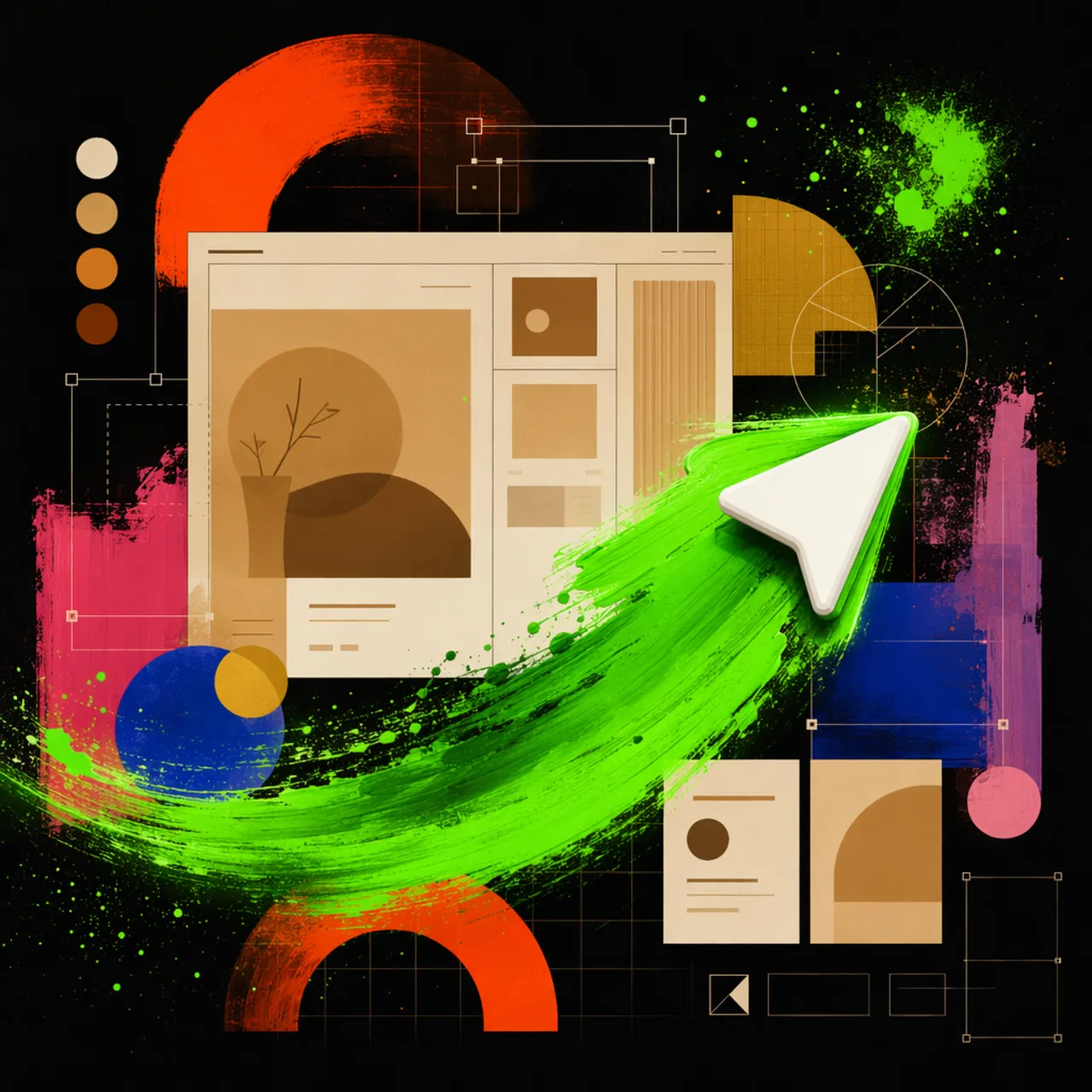
What it is
A frontend protocol for document-style minimal interfaces. It fixes a warm monochrome palette, serif and mono typographic hierarchy, 1px bordered bento cards, and muted pastel accents.
Clean editorial-style interfaces. Warm monochrome palette, typographic contrast, flat bento grids, muted pastels. No gradients, no heavy shadows.
Why it matters for design
- Every card and divider uses one 1px light gray border with a crisp radius.
- Accents come only from four washed pastels reserved for tags and inline code.
- Sections gain depth from low-opacity imagery rather than flat empty backgrounds.
What it covers
- Absolute negative constraints
- Typographic architecture
- Color palette
- Component specifications
- Iconography and imagery directives
- Subtle motion and micro-animations
How to install
minimalist-ui
-
Clone the repo.
git clone https://github.com/Leonxlnx/taste-skill -
Point Codex at the skill file.
skills/minimalist-skill/SKILL.md -
Then describe the UI you want. Codex follows the skill.
How to run it with Codex
-
Ask for a page; the skill establishes macro-whitespace first, py-24 or py-32.
-
It constrains type width to max-w-4xl and applies the monochrome variables immediately.
-
Scroll-entry fades run through IntersectionObserver on transform and opacity only.
Every plugin here is free, open source, and links to its real upstream source.
More on the codex-design list ↗More Codex design plugins
 Frontend & UI What it does gpt-taste Builds award-style landing pages with GSAP scroll motion and gapless bento grids.
  Design Systems What it does Stitch Design Taste Writes a DESIGN.md that steers Google Stitch toward non-generic screens.
  Frontend & UI What it does image-to-code Generates design images first, analyzes them, then builds matching frontend code.
 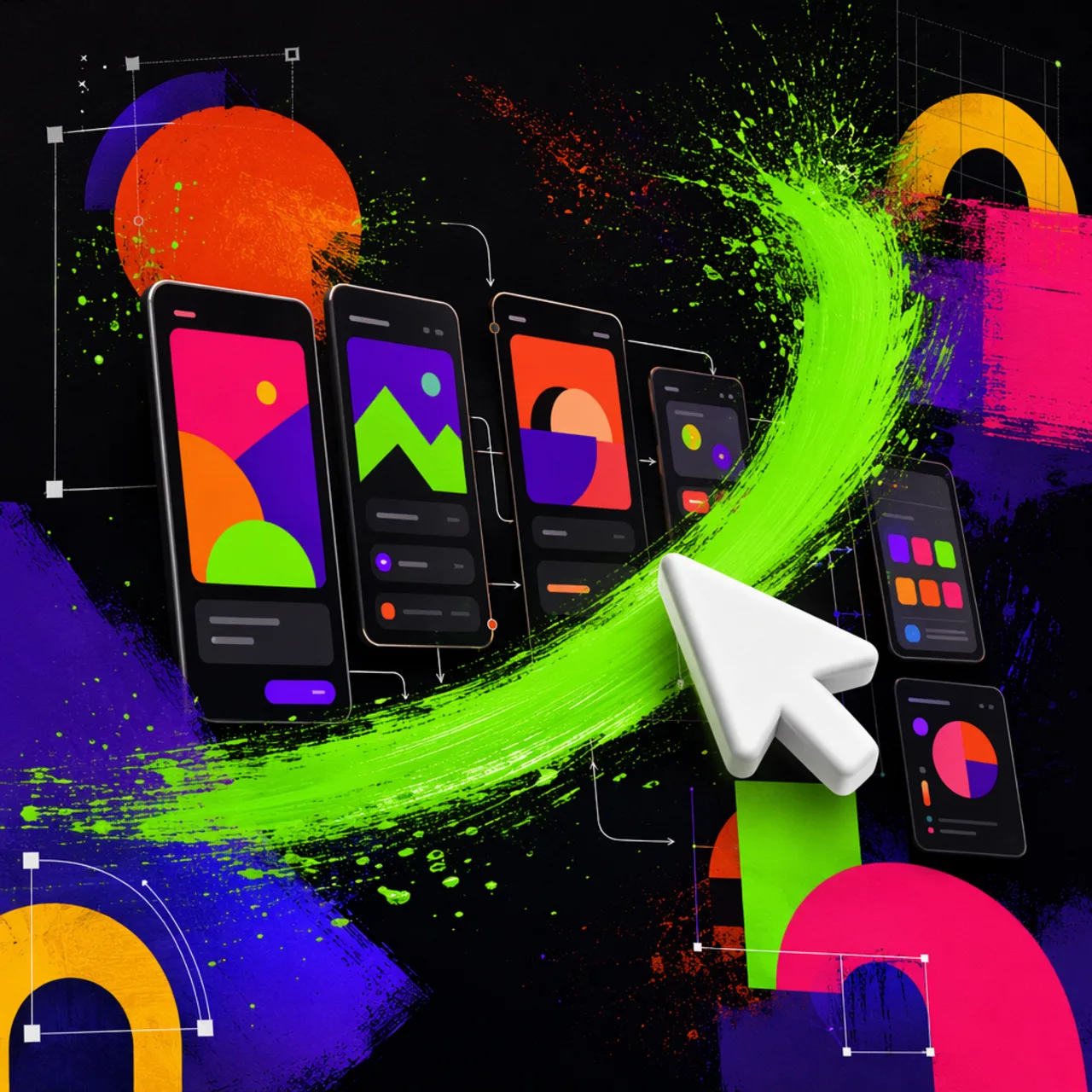 Frontend & UI What it does imagegen-frontend-mobile Generates premium mobile app screen flows as images, not code.
 Next step
Design with Open Design, without the setup
Install this plugin yourself, or run a whole curated design layer around Codex with Open Design. Bring your own key, own your output.